Solana news: Pimco’s Ivascyn Warns of Higher Losses in Credit Default Cycle: Implications for Solana DeFi
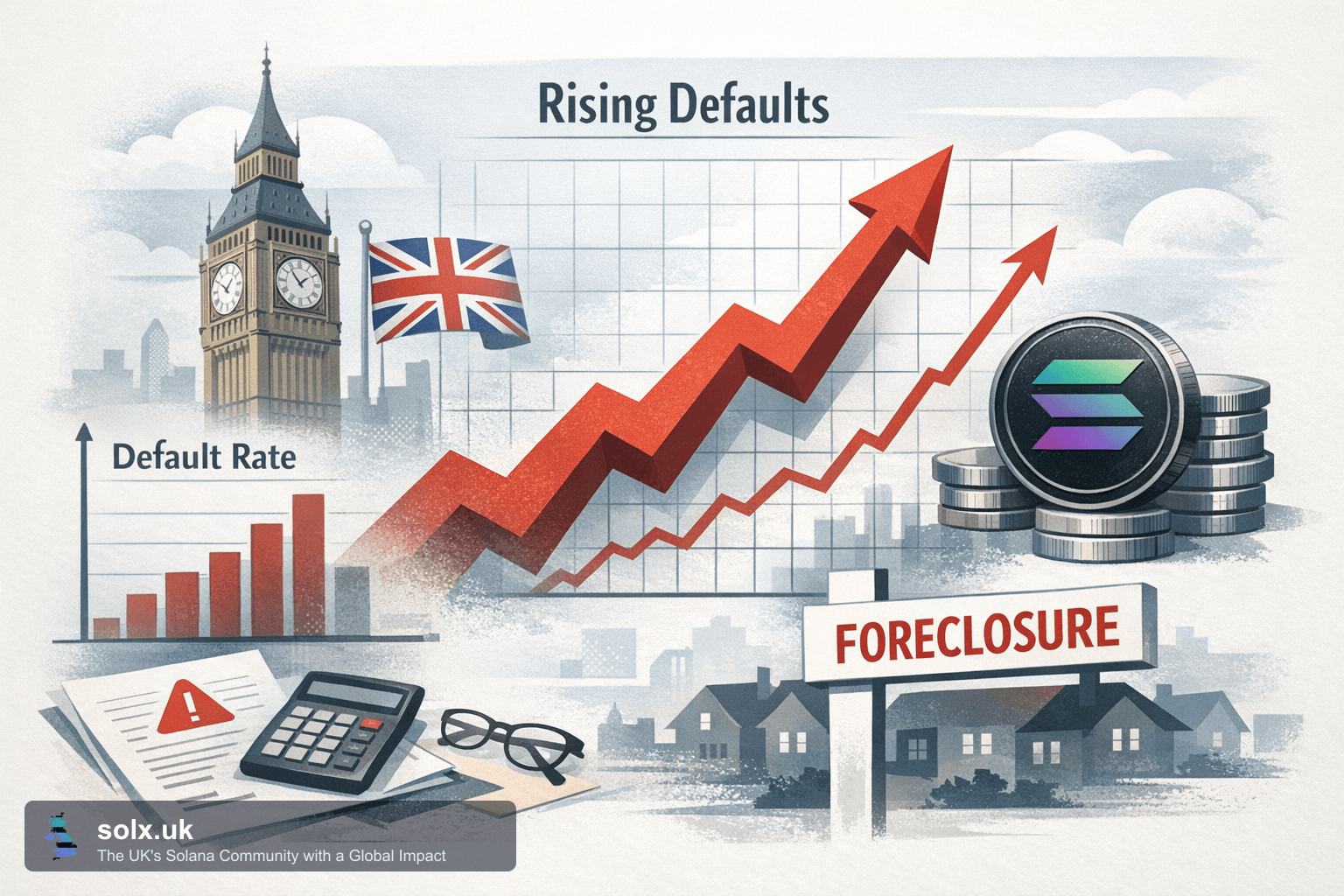
Pimco’s Warning on Credit Defaults
Daniel Ivascyn, Chief Investment Officer at Pimco, has cautioned that the ongoing credit default cycle may result in higher losses than many investors anticipate. Pimco, managing over $2 trillion in assets, bases this warning on indicators such as elevated shadow default rates and increased use of payment-in-kind (PIK) features in corporate lending.
Key Indicators: Shadow Defaults and PIK
Shadow defaults occur when borrowers restructure or amend loan terms to avoid technical default, often masking underlying stress. Payment-in-kind arrangements, where borrowers pay interest with more debt, are also on the rise. While official high-yield default rates remain near long-term averages, Ivascyn argues these figures understate real risks.
Private Credit: The Pressure Point
Ivascyn highlights private credit and direct lending as areas of concern. These markets have grown rapidly, often with loosened underwriting standards. As interest rates rise, firms that borrowed under easier conditions may struggle, leading to a potential wave of defaults. Although Pimco does not foresee systemic risks, a period of underperformance and lower returns is expected.
Why This Matters for Solana and UK DeFi
The lessons from traditional credit markets are highly relevant for decentralised finance (DeFi) protocols on Solana. Rigorous credit analysis and disciplined underwriting are essential for DeFi platforms, especially as market cycles tighten. UK-based investors and builders should note that protocols prioritising sustainable lending practices are more likely to withstand periods of financial stress.
- Shadow defaults and PIK usage signal hidden risks.
- Private credit faces increased default risk due to past loose standards.
- Disciplined risk management is crucial for DeFi resilience.
Outlook for Solana Ecosystem
As the Solana ecosystem continues to develop DeFi lending protocols, the emphasis on robust risk controls and transparent lending practices will be vital. UK market participants should monitor these trends to inform investment and development strategies.