
Solana news: MiCA: The EU’s Comprehensive Crypto Regulation Framework
Introduction to MiCA
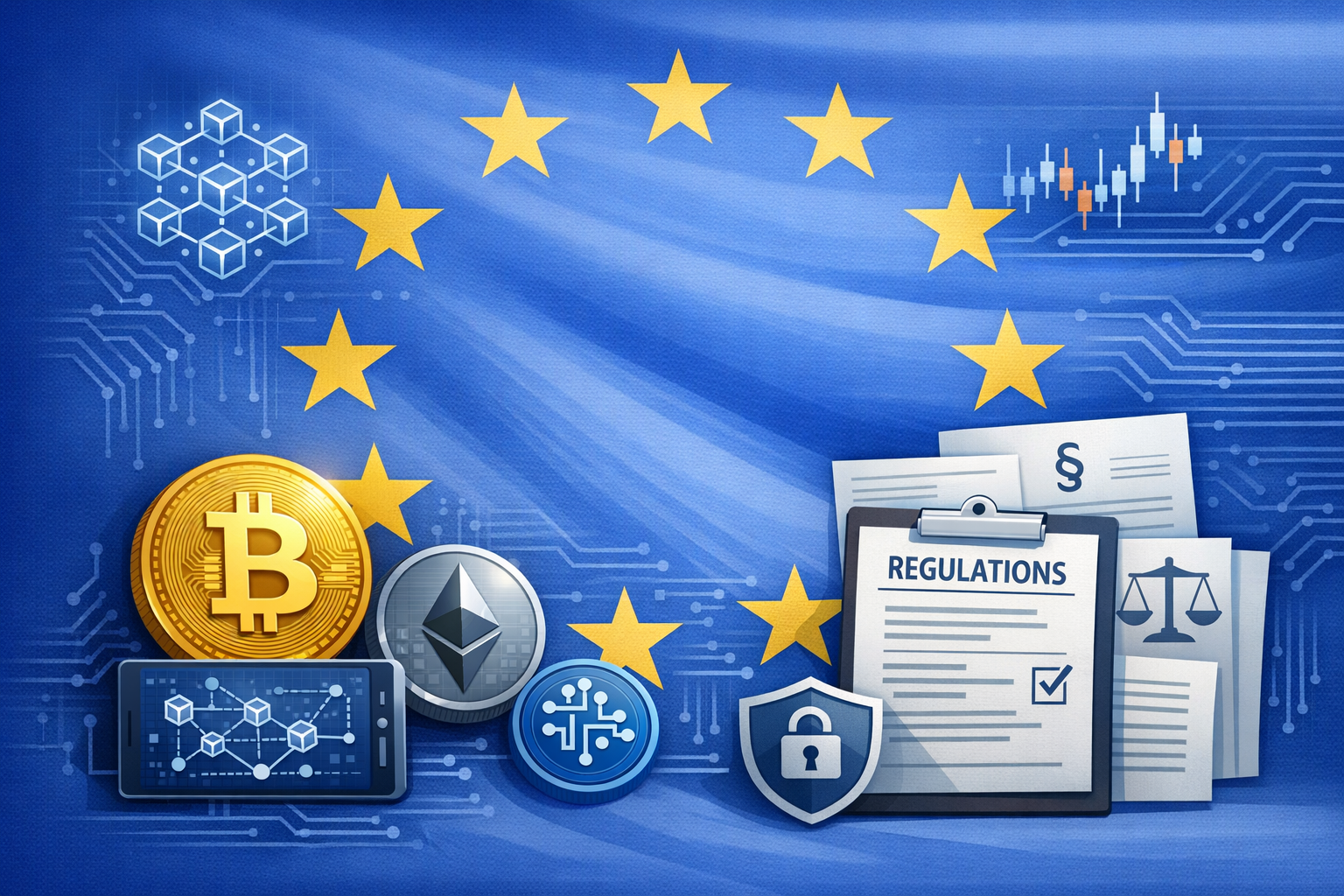
The Markets in Crypto-Assets Regulation (MiCA) is the European Union’s pioneering framework for crypto-assets. It aims to harmonize regulations for stablecoins, exchanges, and service providers across EU member states, providing clarity and legitimacy in a previously fragmented market.
Background and Development
Proposed in 2020 and adopted in 2023, MiCA entered full force in December 2024, with stablecoin rules effective from June 2024. The regulation was shaped by high-profile industry events and aims to address consumer protection and market integrity gaps.
Key Industry Drivers
- Circle’s EURC stablecoin received MiCA approval in July 2024, boosting euro-denominated assets.
- Tether and Binance have taken steps to comply with EU rules.
- Societe Generale and Deutsche Bank have launched regulated crypto initiatives under MiCA.
Main Features of MiCA
- Harmonized licensing for Crypto-Asset Service Providers (CASPs), with over 50 approvals by mid-2025.
- Strict stablecoin reserve requirements, resulting in a 30% increase in compliant euro stablecoin market capitalization.
- Enhanced AML/KYC mandates, reducing illicit crypto flows in the EU.
- Consumer safeguards, including mandatory whitepapers and redemption rights.
- Integration with existing financial laws, enabling traditional banks to custody crypto assets.
- Supervisory oversight by ESMA and EBA, with over 20 technical standards issued in 2025.
- Support for DeFi innovation, with over 200 projects registering under MiCA.
Industry Impact in 2025
MiCA’s enforcement has prompted major crypto firms to restructure operations for compliance. The framework has influenced global regulatory trends and attracted significant institutional inflows, with safer exchanges and increased user protection.
Future Outlook
Looking to 2026, MiCA’s roadmap includes reviews of multi-issuance schemes and potential integration with central bank digital currencies (CBDCs). The EU aims to address cross-border stablecoin challenges and set global regulatory standards, fostering innovation in secure, tokenized assets.