Solana news: SOL Rebounds to $72 Amid Tokenised Stock Trading Surge: Sustainability in Question
SOL Price Recovery and Tokenised Stock Trading
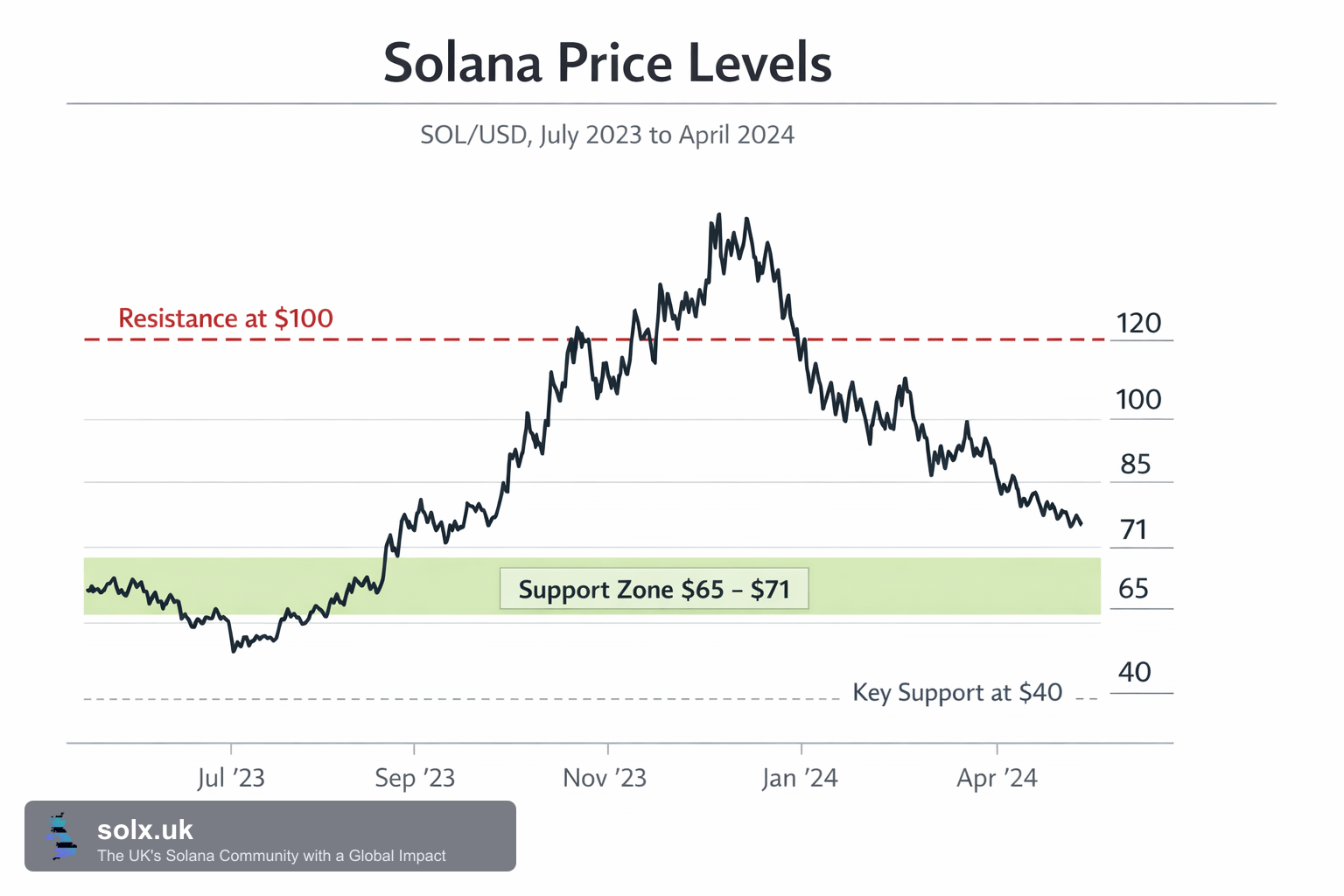
Solana's native token, SOL, recently rebounded to $72, recovering from lows of $64. This price movement coincided with a surge in tokenised stock trading on the Solana blockchain, particularly in sectors driven by artificial intelligence. The increased activity has generated optimism among traders, especially those anticipating future airdrops on the network.
Onchain Metrics: Mixed Signals
Despite the price recovery, onchain data presents a mixed outlook. Decentralised finance (DeFi) total value locked (TVL) on Solana has declined, with notable drops in platforms such as Kamino and Raydium. Decentralised exchange (DEX) volumes remain subdued, suggesting that underlying demand for SOL may be fragile.
- Kamino TVL down 19%
- Binance Staked SOL TVL down 20%
- Raydium TVL down 17%
Conversely, the tokenisation platform xStocks saw a 31% increase in TVL, highlighting selective growth within the ecosystem.
Competition and Revenue Concentration
A significant portion of DApp revenue on Solana comes from Pump.fun, a platform focused on memecoin launches. According to recent reports, 30% of Solana DApp revenue is attributed to this single platform, raising concerns about the sustainability of current activity levels. Additionally, competition from other networks, such as Hyperliquid and Ethereum-based solutions, is intensifying.
Market Sentiment and Futures Data
SOL perpetual futures funding rates remain within a neutral range, indicating neither excessive optimism nor pessimism among traders. The recent 14% price gain has reversed previous bearish sentiment, but the sustainability of this trend remains uncertain.
Why This Matters for the UK
For UK investors and developers, Solana's evolving landscape in tokenised assets and DeFi presents both opportunities and risks. The UK's growing interest in digital asset regulation and adoption makes understanding these trends crucial for market participants, especially as competition and regulatory clarity continue to shape the sector.