
Solana news: Modular Blockchains: A New Era of Scalable Blockchain Architecture
Introduction to Modular Blockchains
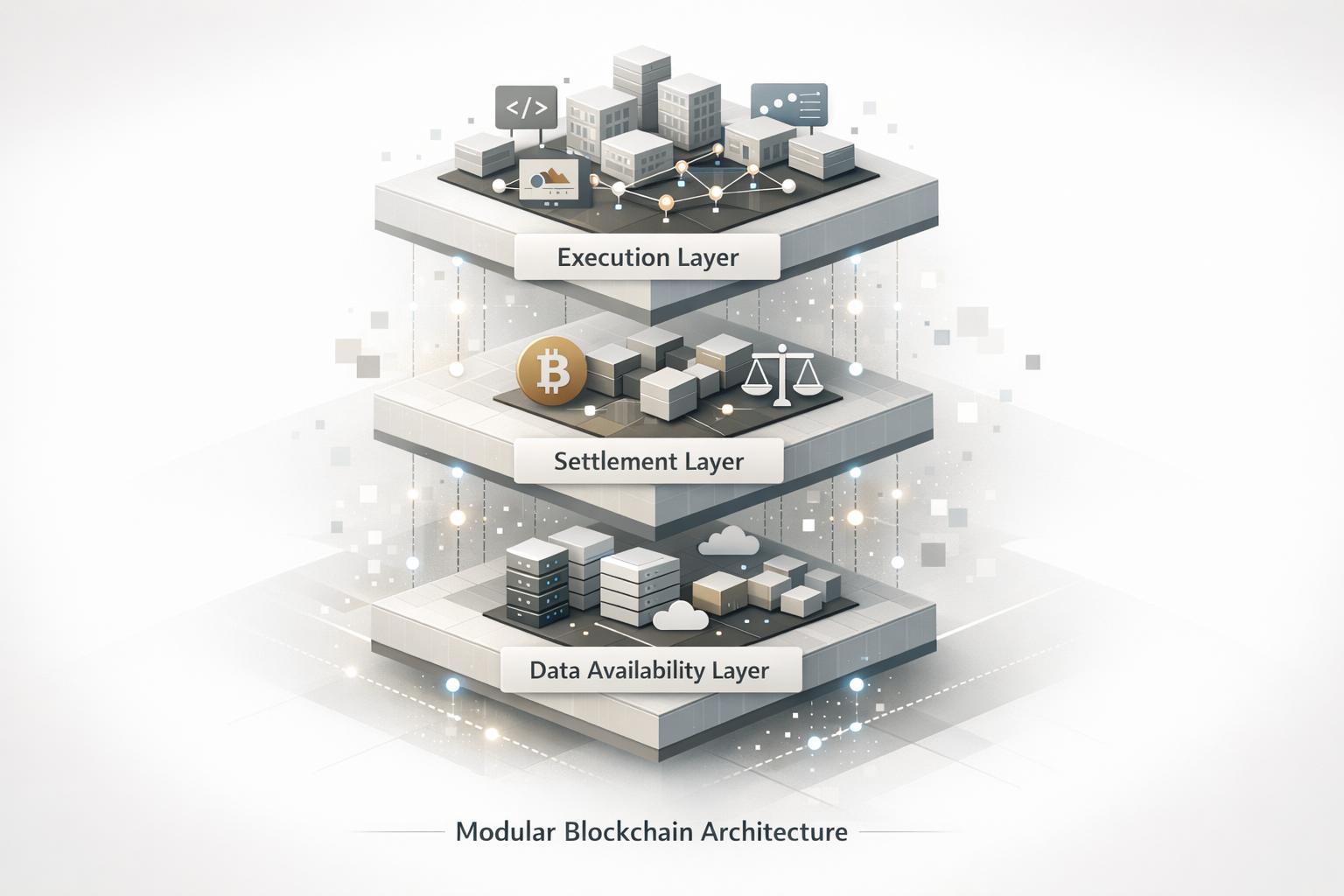
Modular blockchains represent a significant evolution in distributed ledger technology. Unlike traditional monolithic blockchains, modular designs separate execution, settlement, and data availability into specialized layers. This approach is reshaping how developers build and scale blockchain infrastructure.
Background and Evolution
Early blockchains like Bitcoin and Ethereum operated as monolithic systems, where every node processed transactions, executed smart contracts, and stored the full data history. While secure, this structure led to scalability bottlenecks as network usage increased, especially during periods of high demand such as the DeFi and NFT booms.
The transition toward rollups and layer-2 scaling solutions, particularly on Ethereum, accelerated the adoption of modular blockchain architecture. Dedicated data availability networks and rollup infrastructure have become essential components of the modern Web3 stack.
Key Features of Modular Blockchains
- Separation of core blockchain functions into specialized layers
- Support for rollups and layer-2 networks to increase transaction throughput
- Reduced congestion on base layers while maintaining decentralization
- Customizable execution environments for developers
- Foundation for scalable Web3 adoption
Industry Impact and Adoption
By 2025, modular blockchain architecture had moved from research to practical implementation. Ethereum's rollup-centric roadmap reinforced the idea that scalability is best achieved through layered design. New networks focused on data availability and rollup infrastructure have enabled more efficient deployment of application-specific chains, inheriting security from established settlement layers.
Future Outlook
Looking ahead, modular blockchains are expected to support high-throughput financial systems, gaming ecosystems, and tokenized real-world assets. This architectural shift emphasizes scalability through specialization, potentially defining the infrastructure blueprint for the next decade of decentralized innovation.
For the Solana ecosystem and the broader blockchain industry, modular architecture offers a path to sustainable growth and mainstream adoption.