Solana news: Real World Assets (RWAs) Tokenization: Transforming Traditional Finance
Introduction to RWA Tokenization
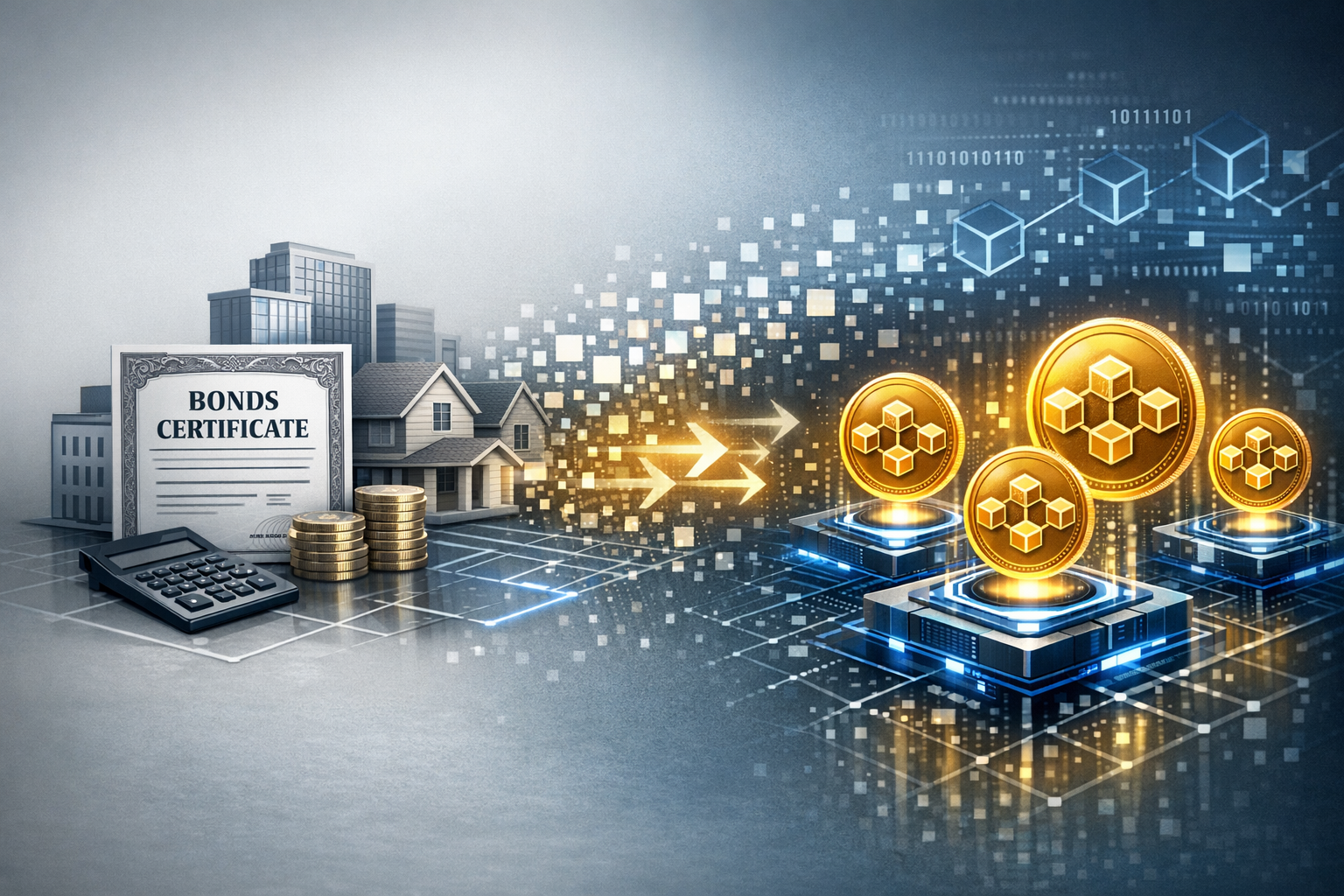
Real World Asset (RWA) tokenization is the process of representing traditional financial and physical assets—such as government bonds, real estate, private credit, commodities, and equities—as digital tokens on a blockchain. This approach aims to modernize capital markets by increasing efficiency, transparency, liquidity, and global accessibility.
Background and Evolution
Early blockchain innovation focused on native digital assets like Bitcoin. As technology matured, attention shifted to integrating traditional financial instruments into blockchain ecosystems. RWA tokenization converts ownership rights or cash flows tied to real-world assets into programmable digital tokens, enabling on-chain transfer, settlement, and management with faster settlement times and lower operational costs.
Key Benefits and Industry Contributions
- Digitizes traditional financial instruments such as bonds, funds, and real estate.
- Enables near-instant settlement compared to traditional T+2 clearing cycles.
- Increases transparency through blockchain-based ownership records.
- Expands global investor access via fractionalization.
- Integrates programmable compliance and automated cash flow distribution.
- Attracts participation from asset managers, banks, and fintech firms.
Industry Impact in 2025
By 2025, RWA tokenization became one of the fastest-growing segments in crypto. Tokenized treasuries and on-chain yield-bearing instruments attracted significant capital, especially during periods of elevated global interest rates. Major financial institutions began issuing tokenized funds and structured products, positioning blockchain as a settlement and record-keeping layer for regulated financial products.
Future Outlook
As regulatory clarity improves and industry standards mature, tokenized real-world assets may become a foundational component of global capital markets. Growth is expected in the integration of tokenized securities into mainstream brokerage platforms, representing a convergence of traditional finance and decentralized infrastructure. This evolution could redefine ownership, liquidity, and settlement in the global economy.