Solana news: Solana's Quantum-Readiness: Security vs Speed Tradeoff
Solana's Quantum Threat Response
The Solana Foundation, in collaboration with Project Eleven, is actively testing quantum-resistant cryptography. This initiative comes as concerns grow that future quantum computers could compromise current blockchain security standards.
Key Findings from Early Testing
- Quantum-safe signatures are 20-40 times larger than current ones.
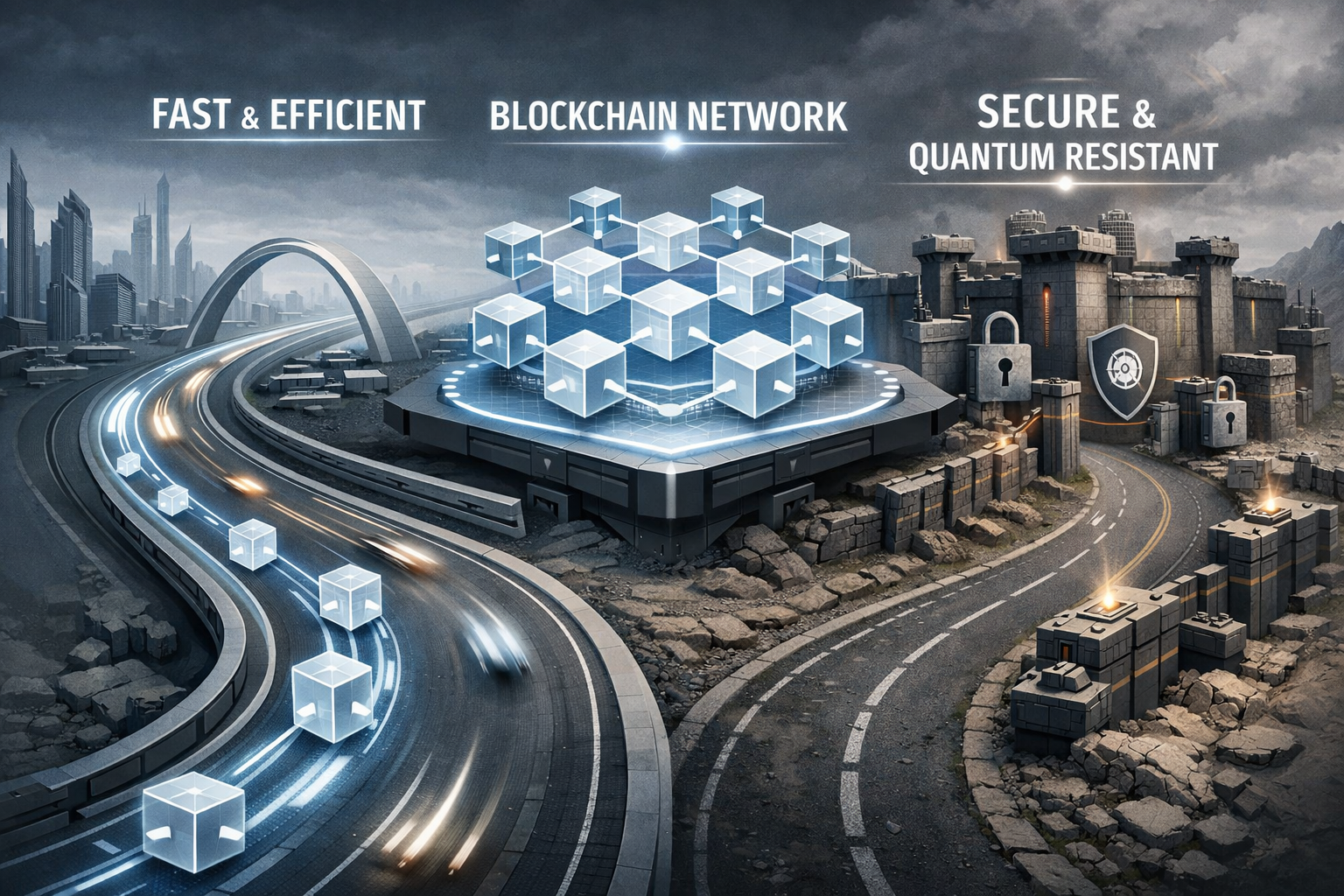
- Network speed drops by approximately 90% with quantum-resistant cryptography.
- Scalability and transaction throughput are significantly impacted.
These findings highlight a critical tradeoff: while quantum-resistant measures improve security, they substantially reduce the network's speed and efficiency.
Industry Context and Urgency
Recent research has intensified industry discussions about post-quantum cryptography. While Bitcoin and Ethereum are preparing for potential quantum threats, Solana is taking a proactive approach by moving beyond theory into live testing environments.
Wallet Vulnerability and Immediate Solutions
Solana's architecture exposes public keys directly, making all wallets potentially vulnerable to quantum attacks. In response, some developers are exploring solutions like 'Winternitz Vaults' to protect individual wallets using alternative cryptographic methods.
Challenges and Next Steps
Upgrading cryptography in decentralized systems requires coordination among developers, validators, and users. While Solana leads in experimentation, widespread implementation remains a complex technical and social challenge.
The risk, according to Project Eleven's CEO Alex Pruden, is that the industry may not act swiftly enough to address quantum threats before they become immediate concerns.